

SMARTER Sensor Library
Overview
The SMARTER Sensor Library is a web-based tool that helps environmental health researchers discover and compare sensors in support of study design, document sensor metadata, and contribute or update sensor metadata in the SMARTER metadata repository. Environmental exposure research relies on a wide range of sensors to measure physical, chemical, and biological properties across varied settings, but the broad variation in technical, deployment, and quality characteristics makes selecting the right sensor challenging.
The library addresses this information gap by providing a structured resource for finding and comparing sensors, helping teams make more informed study design choices. Moreover, it allows them to access and download sensor metadata needed for properly annotating research data, and enables the storage and curation of structured metadata that can subsequently support data analysis and re-use.
The Sensor Library is part of the SMARTER project (Sensors and Metadata for Analytics and Research in Exposure Health) at the University of Utah. Sensor metadata in the library is structured according to the Sensor Common Metadata Specification (SCMS), and the library is built on the project's underlying metadata repository.
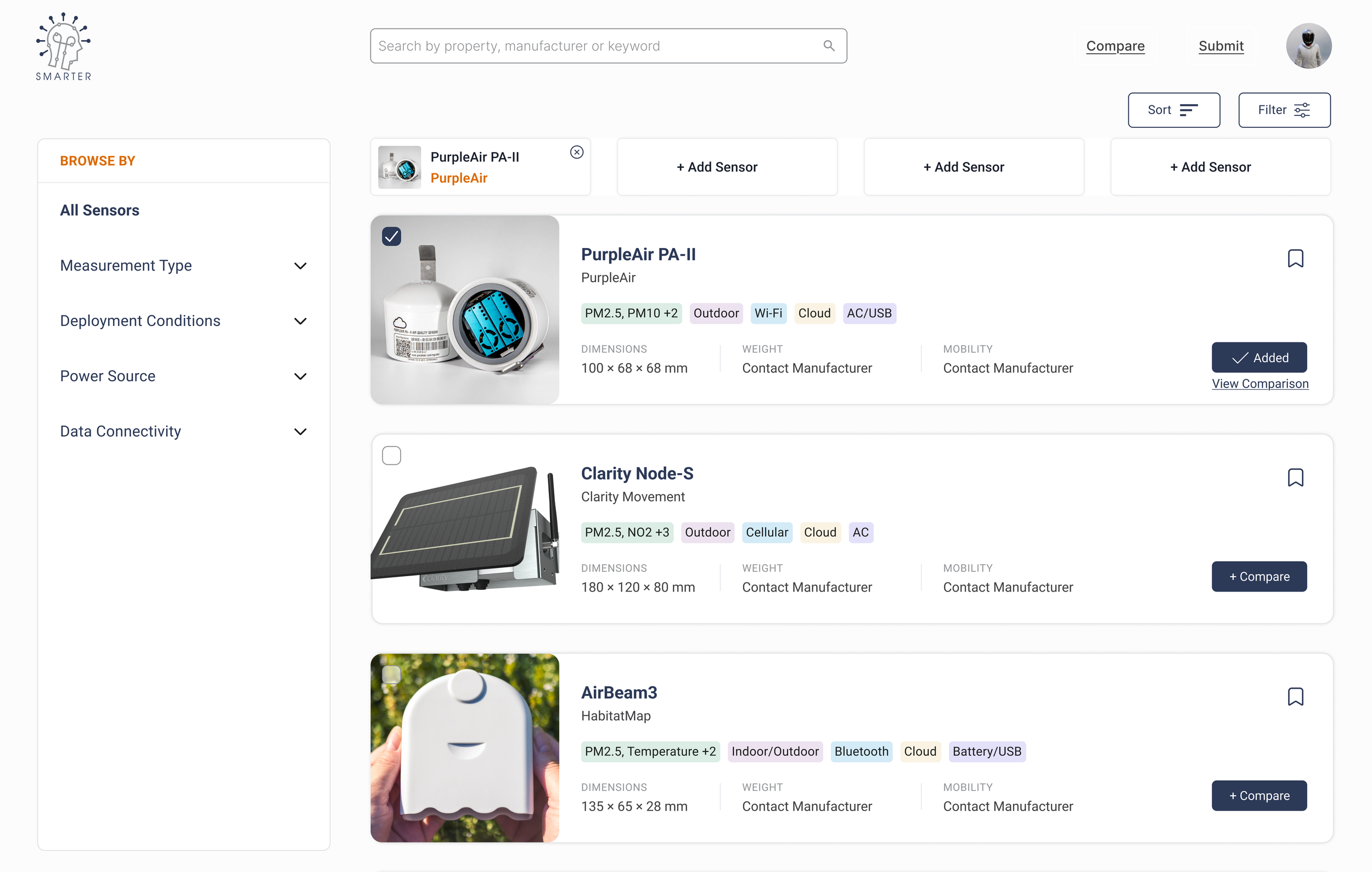
What You Can Do
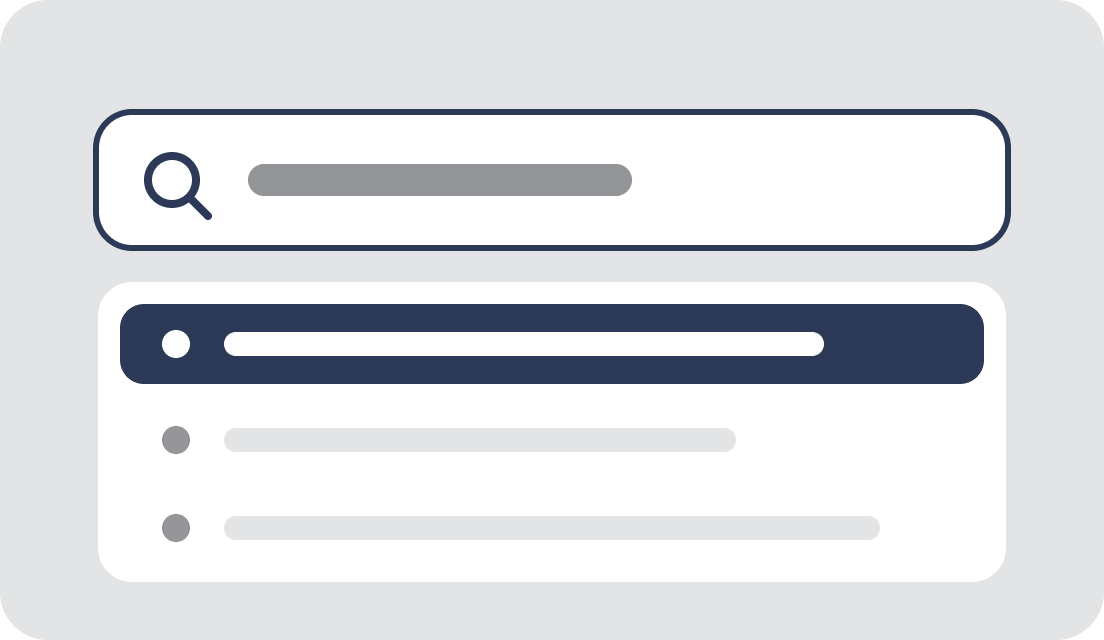
Browse and Search the catalog by keyword, with predictive suggestions , or browse by categories such as measurement type, deployment conditions, power source, and data connectivity.
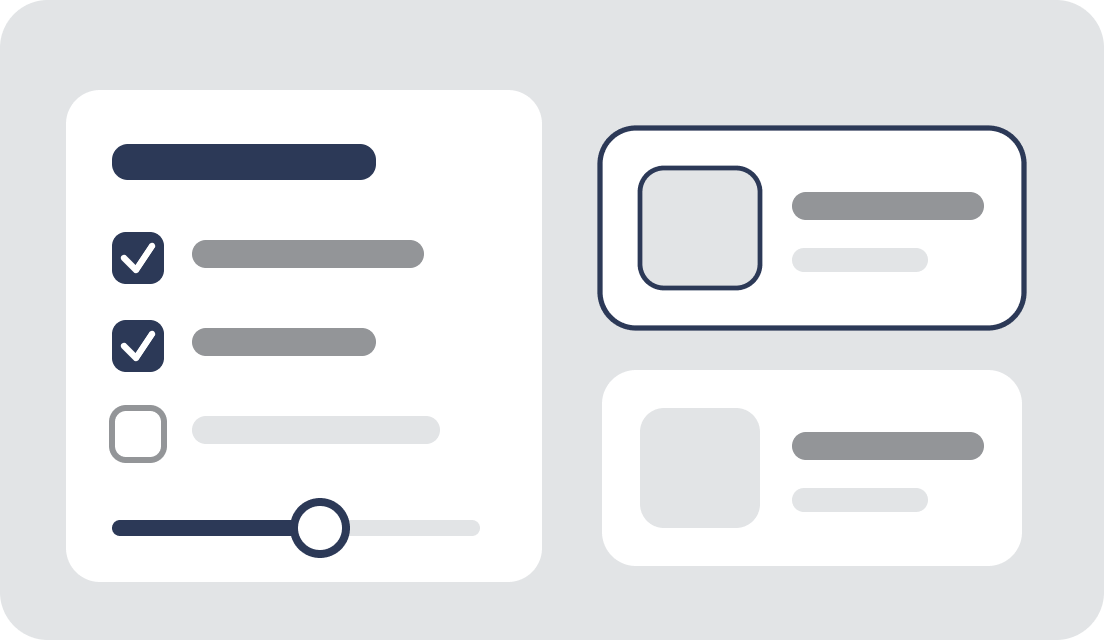
Filter results by attributes including measured entities, collection method, sample type, deployment conditions, unit price, continuous operation time, power source, data connectivity, participant interaction.
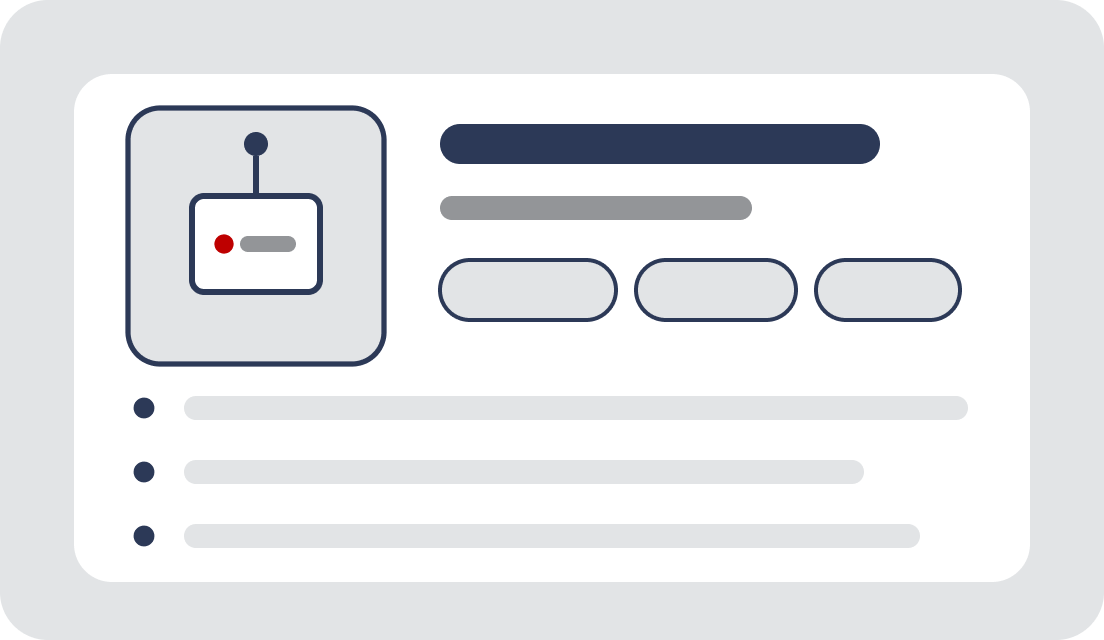
View detailed sensor profiles organized into metadata domains: technical specifications, deployment, data & network, cost & quality, and documents, along with manufacturer contact information.
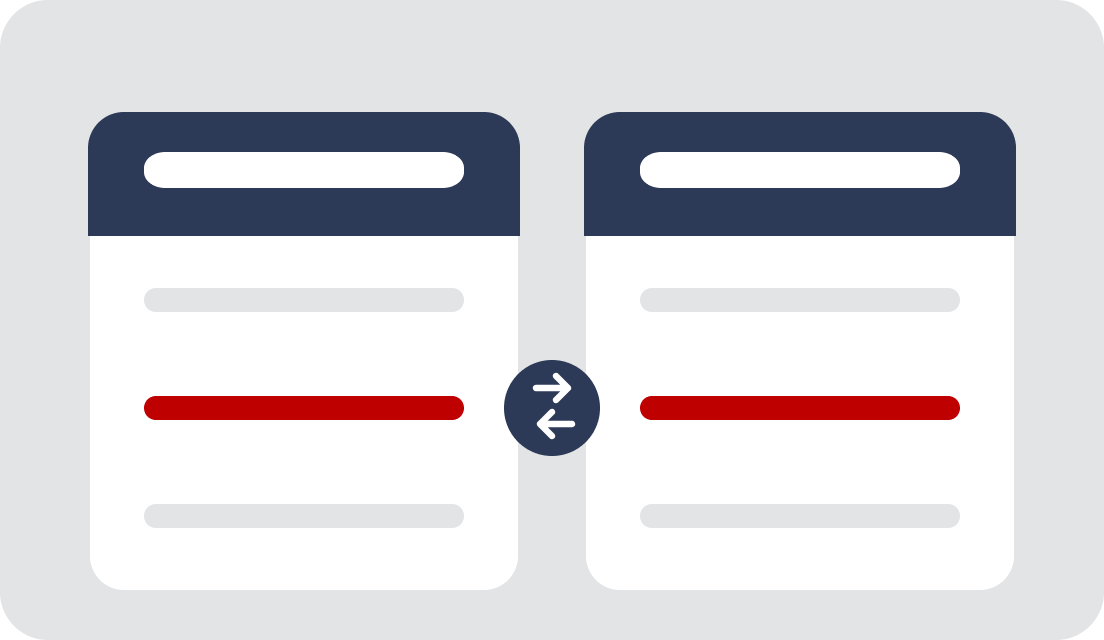
Compare sensors side by side, with an option to automatically highlight the differences between them, and export the comparison for reports or citation.
Access documents and manuals, such as installation guides, calibration guides, and user manuals, to view or download.
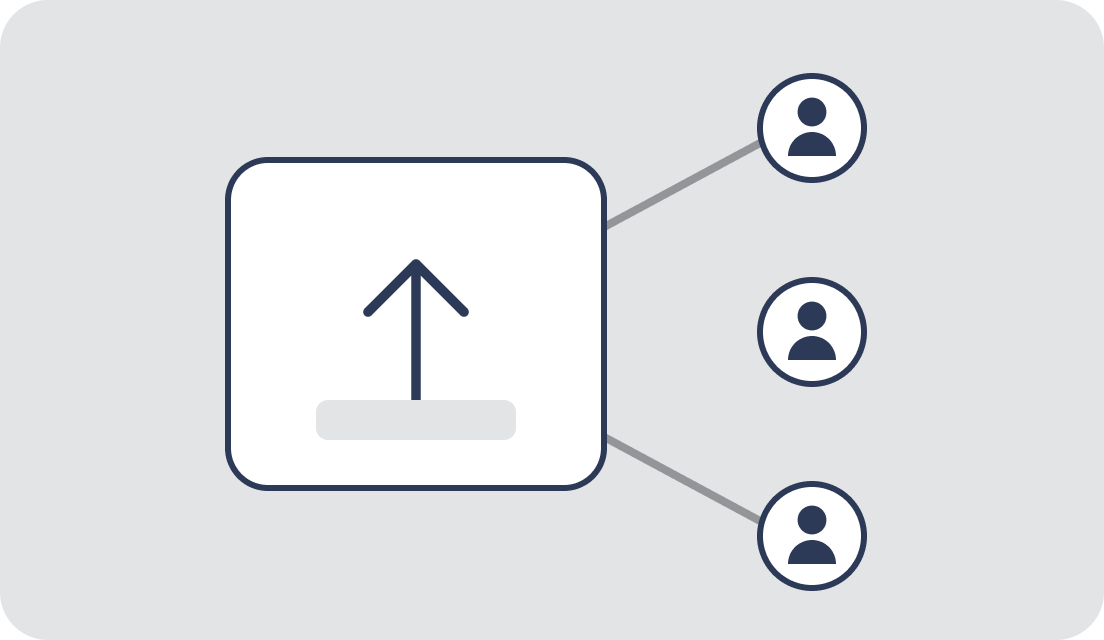
Contribute and share submit missing or updated metadata, and share field notes and deployment experiences with the research community. All contributed metadata is reviewed by the SMARTER team before publication.
Download sensor metadata in support of research data documentation.
How It Is Built
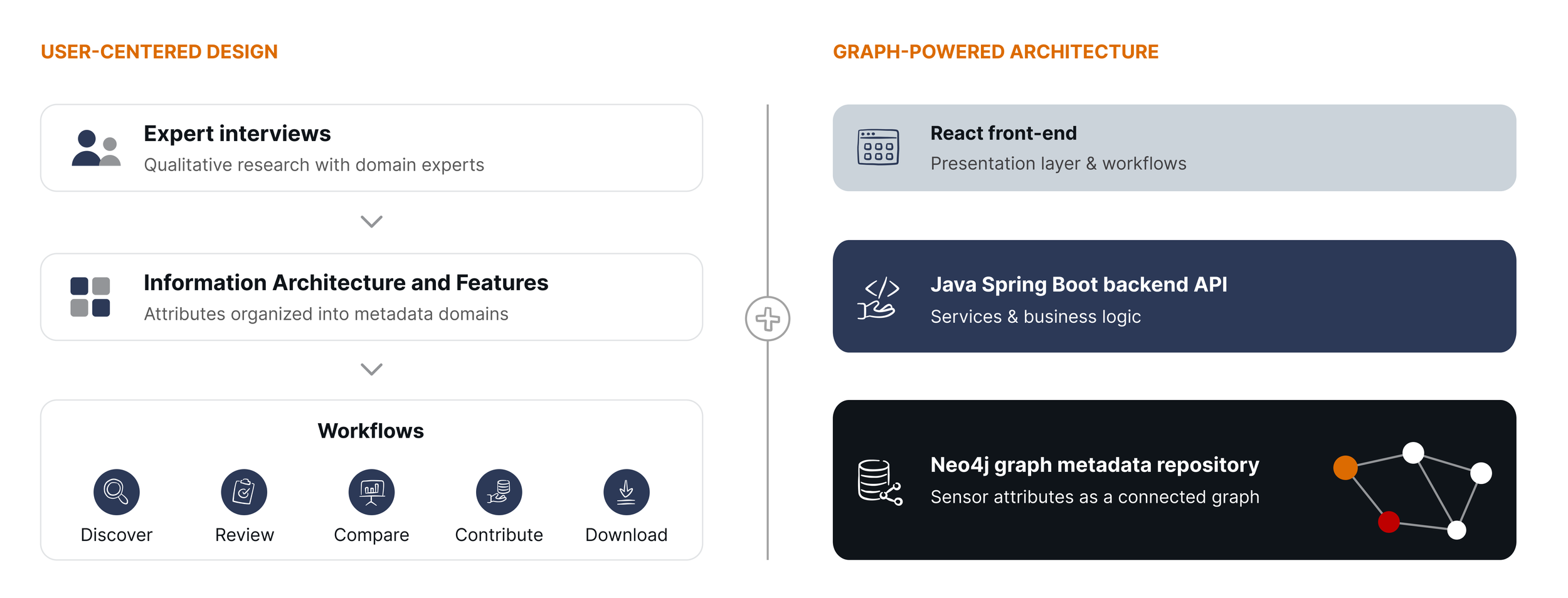
The Sensor Library was designed using a user-centered design approach. The team conducted qualitative interviews with domain experts to understand how researchers select and use sensors, then translated those findings into an information architecture and a set of features. The interface organizes sensor attributes into intuitive metadata domains and supports complete workflows for discovery, detailed review, comparison, contribution, and download.
The application is built on a Neo4j graph-based metadata repository with a Java Spring Boot backend API and a React frontend, supported by an automated deployment pipeline.
Usability and Evaluation
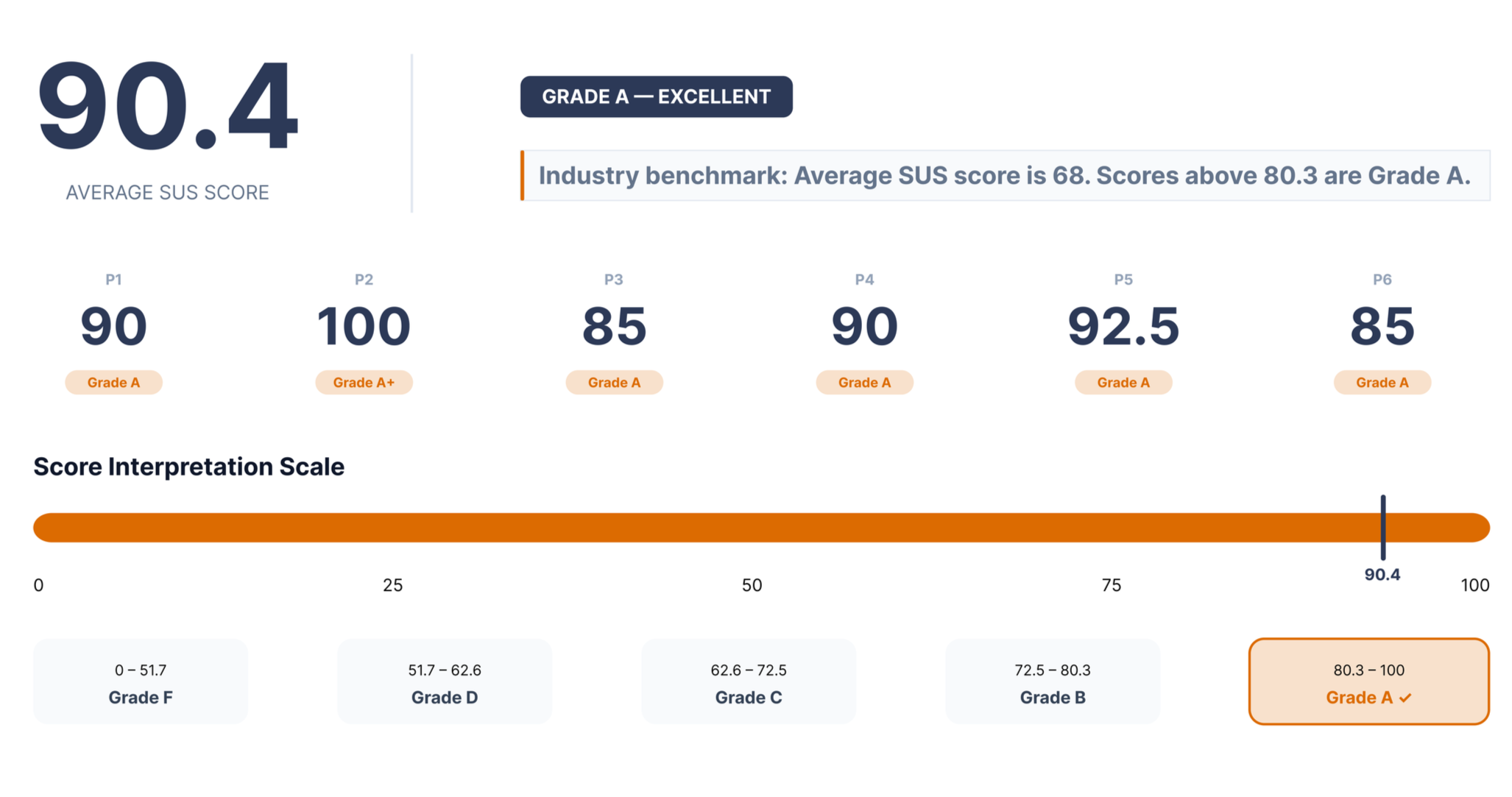
The Sensor Library has been evaluated through moderated usability testing. In Fall 2025 testing, the interface earned a System Usability Scale (SUS) score of 90.4 out of 100 (Grade A), well above the industry benchmark of 68, with participants completing core sensor-finding and comparison tasks successfully. Testing also identified specific improvement areas — navigation contrast, in-context definitions for technical terms, and the visibility of the contribution feature — which were addressed in the 2026 design iteration. Additional usability testing is ongoing.
Related Publications and Presentations
Varma U, Nelson R, Motagi P, Facelli J, Sward K, Gouripeddi R, Cummins M. Designing and Evaluating a Sensor Library for Translational Exposure Health: A User-Centered Approach (Poster, AMIA).
Sensor Library Design and Evaluation
Nelson R, Taber P, Motagi P, Shishupal S, Im S, Facelli J, Sward K, the SMARTER Expert Panel, Gouripeddi R, Cummins MR. Needs, Preferences, and Challenges of Environmental Health Researchers in Using Sensors: A Content Analysis. Preprint, JMIR (under review) - Read Here
Researcher Needs and Requirements
Motagi P, Im S, Sward KA, Facelli JC, Cummins MR, Gouripeddi R. Community-driven Sensor Metadata Approaches for Exposure Health Informatics Ecosystems (Poster, AQSS 2026, Provo, UT).
Community-driven metadata approaches
Cummins M, Im S, Jandhyala L, Shishupal S, Nelson R, Motagi P, Sward K, Facelli J, Gouripeddi R. Sensors and Metadata: Seeking Input from the Exposure Health Community (Oral, ISES-ISEE 2025, Abstract #2431).
The SMARTER Sensor Library is supported by the National Institute of Environmental Health Sciences (NIEHS) under Award Number 1R24ES036134-01 (SMARTER); the National Center for Advancing Translational Sciences (NCATS) under Award Numbers UL1TR001067 and UM1TR004409 (Utah CTSI); and the National Institute of Biomedical Imaging and Bioengineering (NIBIB) under Award Number U54EB021973 (PRISMS). The content is solely the responsibility of the authors and does not necessarily represent the official views of the National Institutes of Health.