

Exposure Health Shapelets
Overview
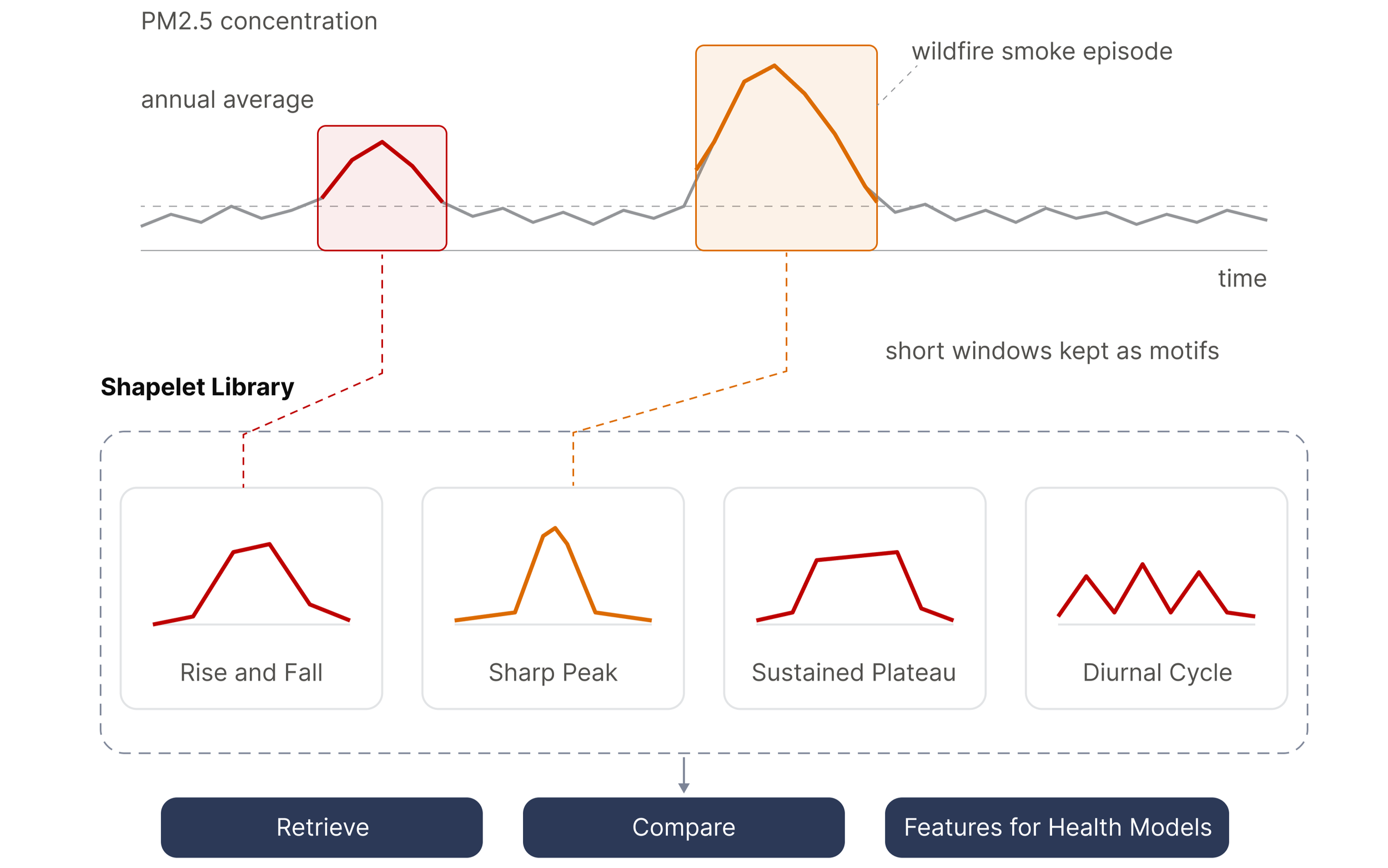
Environmental exposures such as fine particulate matter vary substantially over both space and time. Traditional analyses often reduce this variation to coarse summaries like daily or annual averages, which can obscure short-term spikes and episodic events — for example, wildfire smoke — that may be most relevant to health outcomes.
The Exposure Health Shapelet Library preserves these transient dynamics so that researchers can study when and how exposures occur, not just how much.
A shapelet is a short, discriminative subsequence of a time series that captures a localized temporal pattern, such as a sharp peak or a rapid rise and fall. Unlike generic statistical embeddings, shapelets are interpretable — a human can look at one and recognize the pattern.
The library treats shapelets as reusable exposure motifs that can be retrieved, compared, and used as features in downstream spatiotemporal and health analyses. It was developed as part of the SMARTER project at the University of Utah.
What Is in the Library?
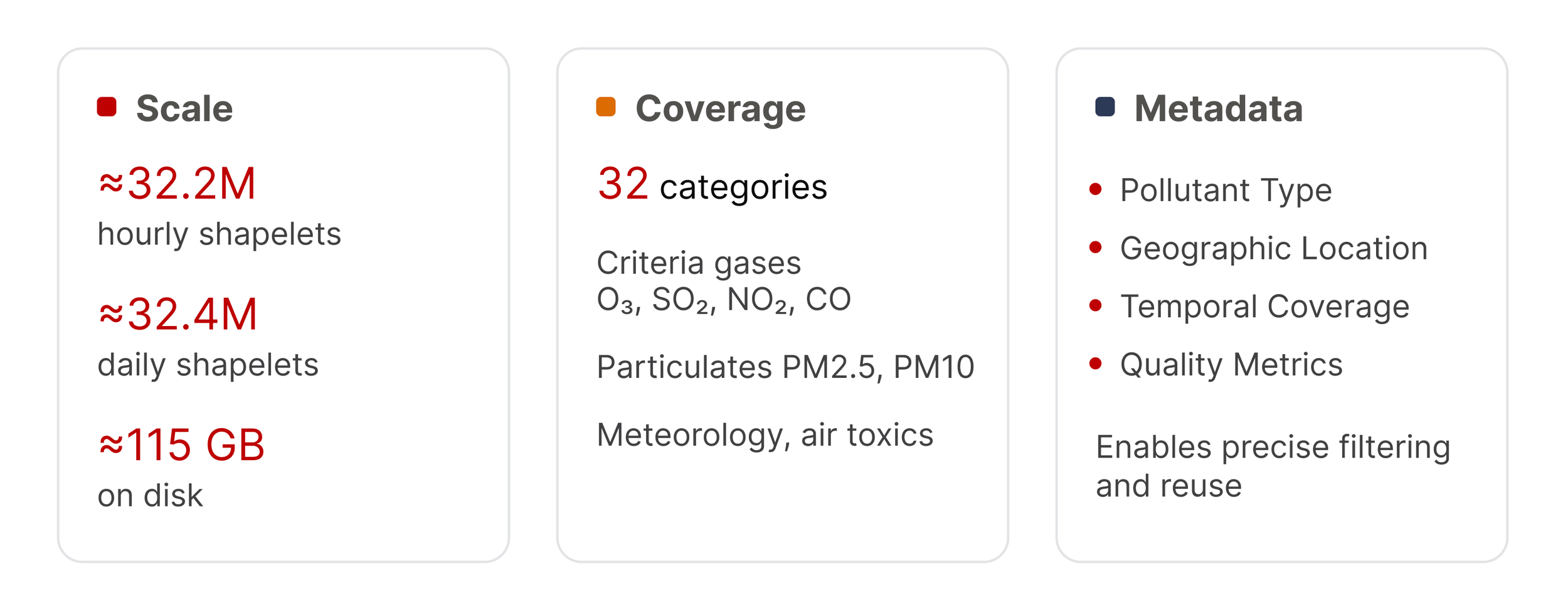
The library is derived from U.S. Environmental Protection Agency (EPA) Air Quality System (AQS) monitoring data spanning 2004–2024.
For each monitor and pollutant time series, shapelets were extracted at two temporal scales — 7-day and 30-day windows — at both daily and hourly resolution, and selected using exposure-aware quality criteria that favor meaningful variability over near-flat segments.
Interactive Web Interface
A web-based interface lets researchers explore and retrieve shapelets interactively, Available Here. The web interface enables users to:

Filter by pollutant, geographic location, time period, and quality tier (e.g: retrieving only the top 10% or top 25% of shapelets by quality).
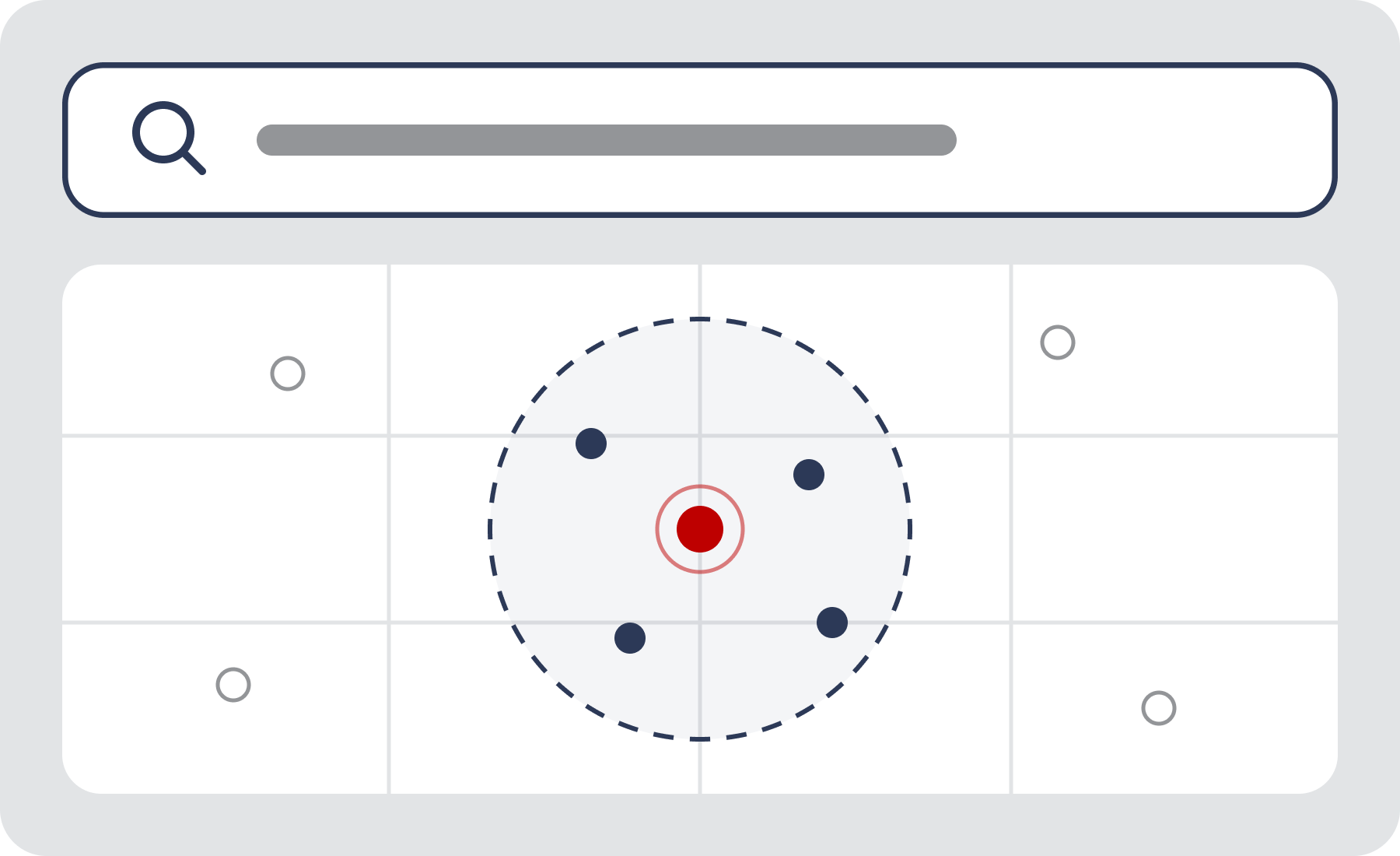
Search by location using a place name, an entire state, or a specific latitude/longitude to find the nearest monitoring stations within a chosen radius.

Switch between daily and hourly data, with an additional hour-of-day filter for hourly series.
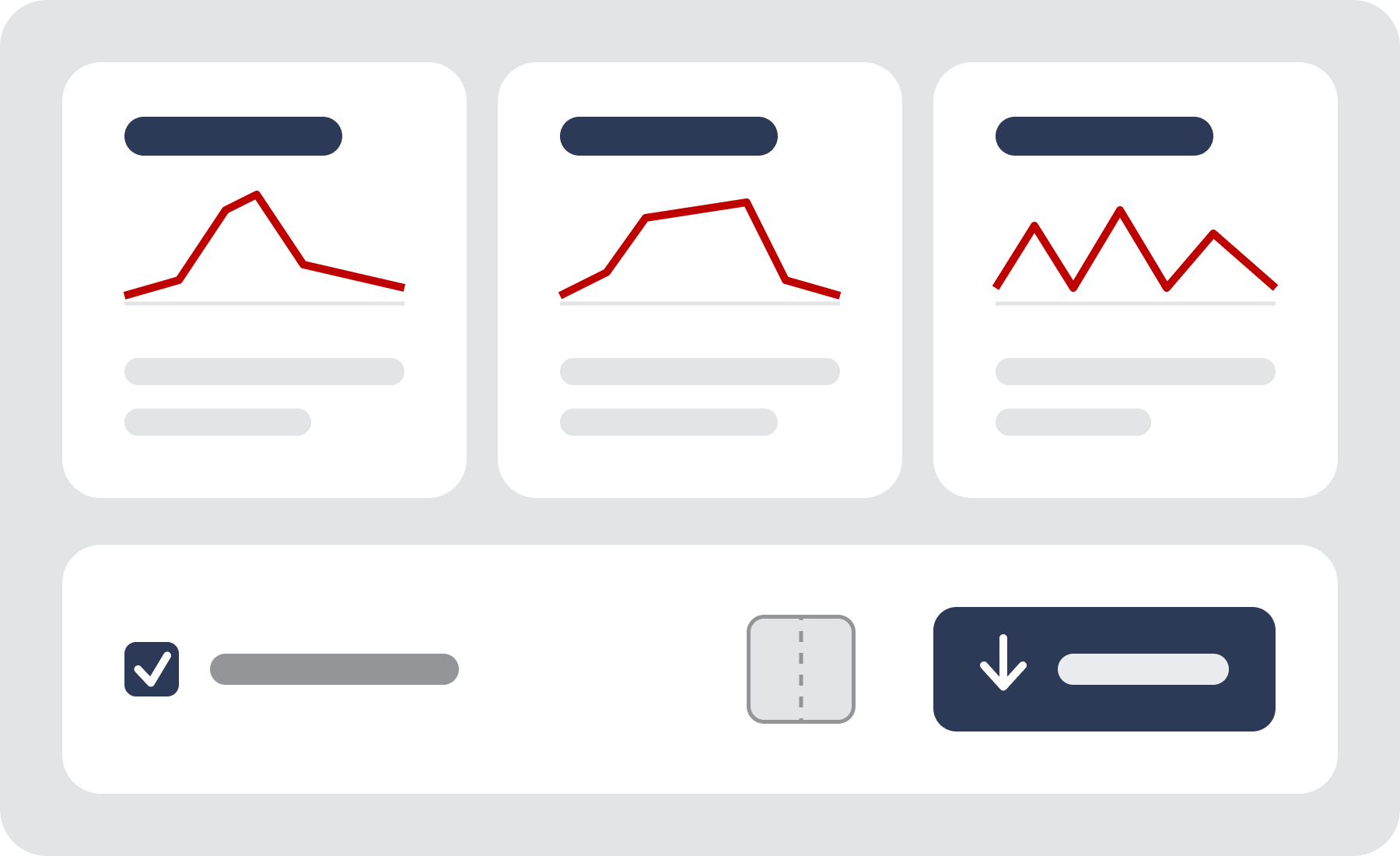
Browse and export results as cards showing key metadata, with individual or bulk downloads packaged as compressed archives with accompanying metadata summaries.
How It Is Built
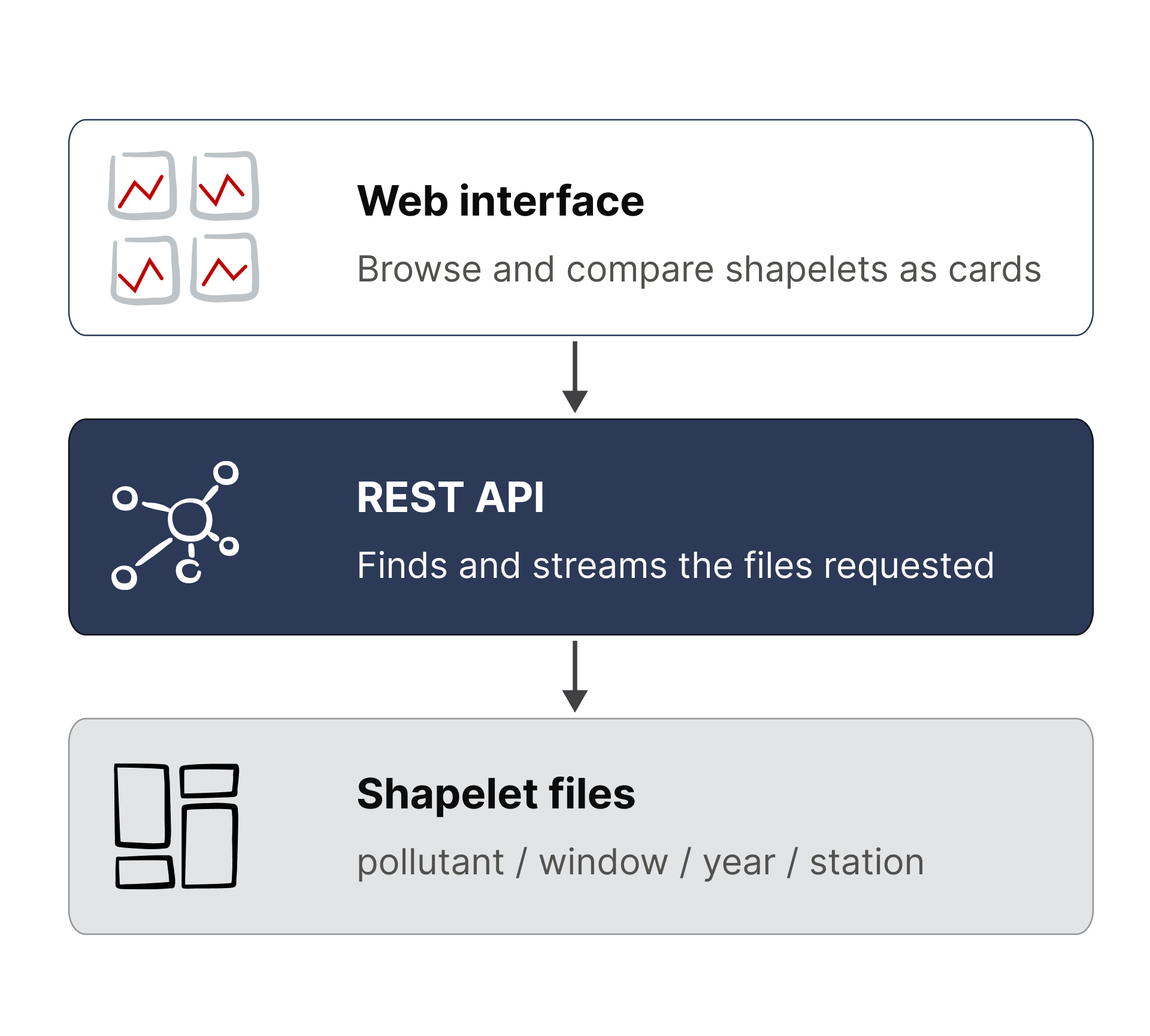
The system uses a three-tier architecture: a shapelet data storage layer, a RESTful API backend built with Flask, and a web-based user interface. Shapelets are organized in a hierarchical directory structure by pollutant, window length, year, and monitoring station, and retrieved efficiently through lazy loading and streaming downloads. The application is packaged for containerized, reproducible deployment. The interface itself was refined through a user-centered design review — early feedback led to replacing a tabular layout with a card-based grid that better supports visual scanning and comparison.
Applications
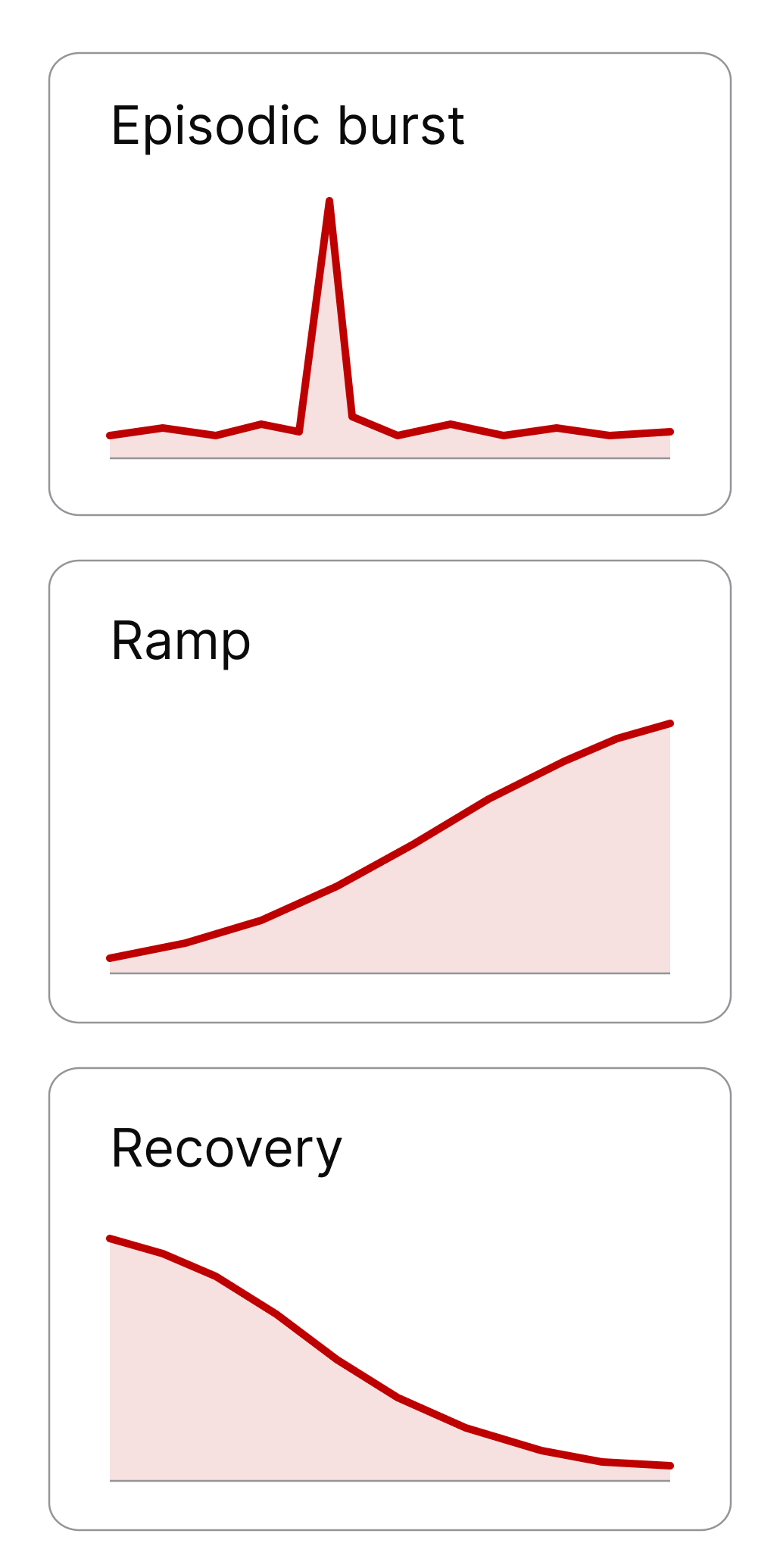
Because shapelets preserve local exposure trajectories — episodic bursts, ramps, and recoveries — they are well suited to research questions where the timing and shape of exposure matter, not just the cumulative dose.
The library is being applied in ongoing exposure health studies including work on stillbirth, hypersensitivity pneumonitis, athlete performance, and suicide-related outcomes.
Access and Collaboration
The library is openly accessible through the web interface. The SMARTER team welcomes interest from the exposure health community and opportunities for collaboration. To explore using the library in your own work, use the interface or contact us at smarterexposurehealth@utah.edu.
Related Publications and Presentations
Shishupal S, Bakian A, Varma U, Sward K, Smart R, Facelli JC, Cummins M, Madsen R, Gouripeddi R. A Reusable Library of Exposure Health Machine Learning Primitives. 14th IEEE International Conference on Healthcare Informatics (ICHI 2026), Minneapolis, MN, June 1–3, 2026.
Peer-reviewed / Accepted Paper
Shishupal S, Bakian A, Varma U, Sward K, Smart R, Facelli JC, Cummins M, Madsen R, Gouripeddi R. A Reusable Shapelet Library of Temporal Exposure Pattern Discovery. 14th IEEE International Conference on Healthcare Informatics (ICHI 2026), Minneapolis, MN, June 1–3, 2026.
Peer-reviewed / Doctoral Consortium
Shishupal S, Cummins M, Sward K, Bakian A, Smart R, Madsen R, Varma U, Stewart C, Facelli JC, Gouripeddi R. A Reusable U.S. Air Quality Shapelet Library for High Temporal Resolution Exposure Pattern Discovery (Poster, AQSS 2026 — Air Quality: Science for Solutions, Provo, UT).
Conference presentations
Shishupal S, Badawy A, Glick M, Pirozzi C, Cummins M, Sward K, Facelli JC, Gouripeddi R. Towards a Shapelet-Based Primitives Library for Exposure Health Machine Learning (Poster, AMIA).
This work is supported by the National Institute of Environmental Health Sciences (NIEHS) under Award Number 1R24ES036134-01 (SMARTER); the National Center for Advancing Translational Sciences (NCATS) under Award Numbers UL1TR001067 and UM1TR004409 (Utah CTSI); and the National Institute of Biomedical Imaging and Bioengineering (NIBIB) under Award Number U54EB021973 (PRISMS). Research computing was provided by the Center for High Performance Computing (CHPC), University of Utah. The content is solely the responsibility of the authors and does not necessarily represent the official views of the National Institutes of Health.